The Dilemma of Human Want
I often get called upon to talk with abused horses and the training/rehab of the abused horses is a subject I could talk about for a very long time but today I want to discuss…
I often get called upon to talk with abused horses and the training/rehab of the abused horses is a subject I could talk about for a very long time but today I want to discuss…
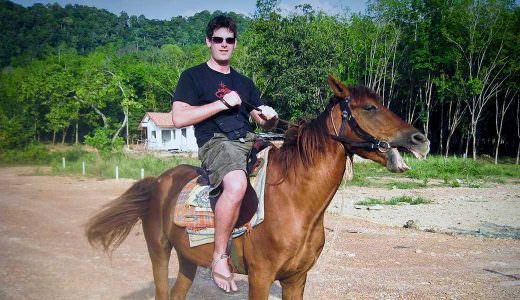
How often is it argued, that a human cannot force a thousand pound animal to do something it doesn’t want to do? An argument to defend against an accusation of abuse. But the physical comparison…
If you were at one of my clinics the very first thing I would say to you would be: “All that we ask our horses to do for us is based on our human goals and desires. I will go further and suggest that many of those goals are at the expense of our horse’s safety and well being.”
Sometimes when I get wound up, excited or nervous my voice will rise and rise until I am nearly shouting and don’t realize it. This was a big problem when I was a child and…
It’s March and the weather is warming, then cooling, then raining, then snowing. My body is in a fight to survive this weather. I have Fibromyalgia and CFS/ME. I am in 24/7 pain and have…
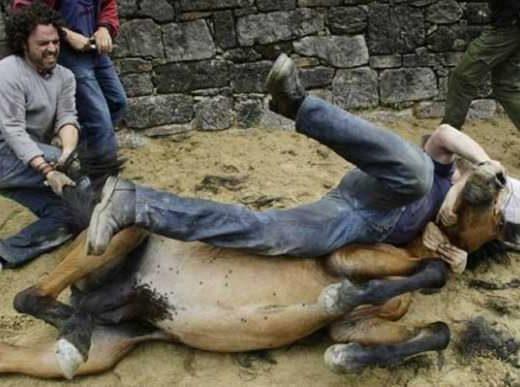
We see political leaders make the same claims – it is always some other factor which dictates why their decision was forced rather than their own inclination. Horse culture has inherited this long-standing tradition, afterall we are only human; and it is not new. It still trickles down that we are a “dominant” species over the horse – therefore we are all wise and knowing and the horse should respond to our directions as a result of his lesser intelligence.
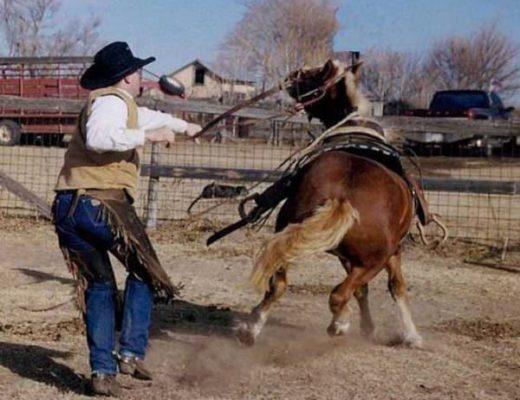
To me it seems obvious enough why the average age is 2 years for horses entering under saddle training, why many riders and trainers balk at the thought of waiting until the horse has grown to 4 or 5 years (or later) before saddling them and sitting on their back for the first time. I can see the reason why, but I don’t see it as a justifiable excuse.
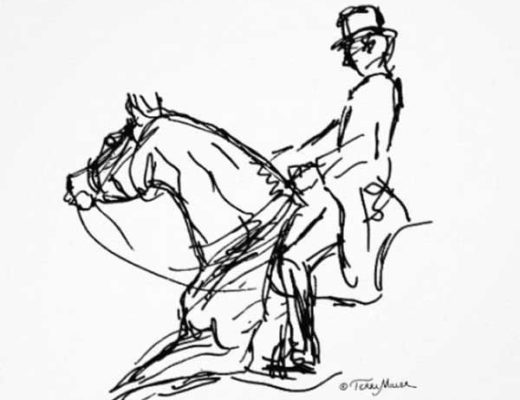
What does it mean to be a weak rider? Is it the inability to hold the correct posture and position in the saddle? Is it the lack of strength in the aids to apply them correctly and productively? What if weak riding were not a bad thing, but a highly sought after reality?
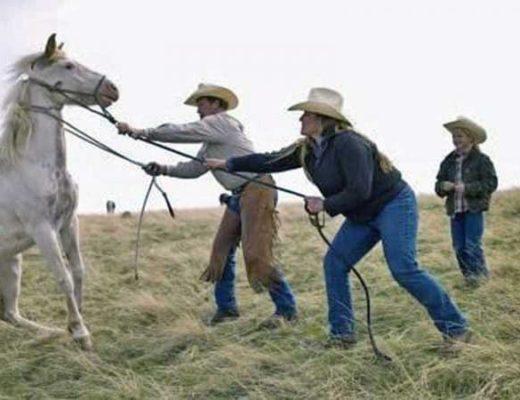
Pressure is what we experience every day of our lives, either self-imposed or given to us by those around us and in our lives. For the horse it is a little simpler, from our perspective anyhow, the horse does not take ‘home’ pressure from the rider or trainer when the session is over.
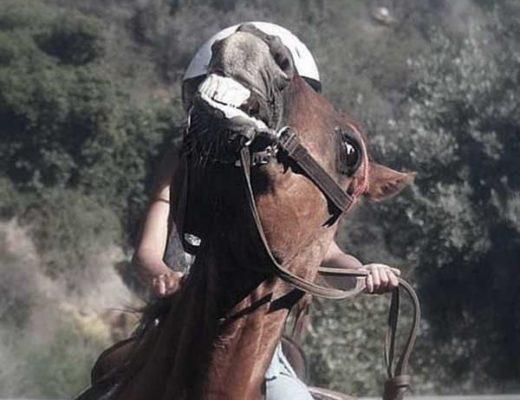
Resistance in the horse can come in several forms, at times violent and on the other end of the spectrum, passive. Both forms are harmful, frustrating and a sign that the horse does not fully understand what is being asked of him. Let us take a deeper look at the forms of resistance in the horse, and how they need to be approached to restore a healthy relationship.